
The Injustice of Ignoring Social Security's Problems - Bloomberg; AMAC
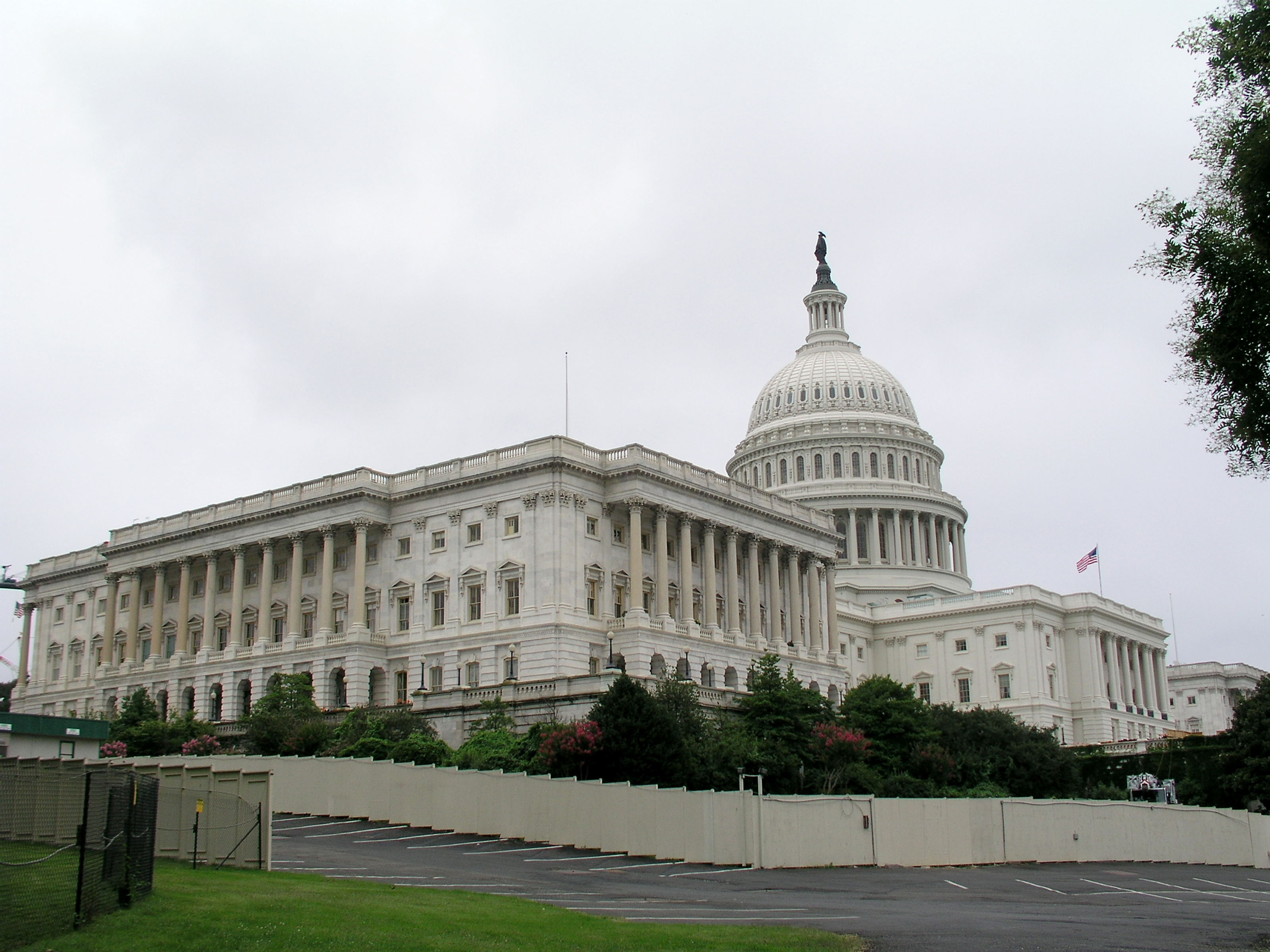
The severity of Social Security’s financial future is attracting more attention these days, especially since recent projections put the program’s OASI insolvency date less than six years away. Unfortunately, as Bloomberg writer Adam Auriemma noted in a post yesterday, the increased attention seems largely focused on seniors and their dependents participating in the program. Auriemma, recapping reports from Bloomberg colleagues, writes that “few candidates are saying much about Social Security’s uncertain future or responding in detail to questions about how they’d address it.”
The absence of attention by sitting congressional representatives and candidates creates substantial uncertainty for both current retirees and those planning their retirement finances. But it doesn’t have to be that way, since Social Security’s looming financial cliff isn't new. The program’s Trustees have been sounding the alarm for decades. Solutions are on the table, but they need congressional attention to create an appropriate forum.
Congress Has a Lot to Work With
No shortage of ideas are vying for congressional attention, and many of them have appeared in prior posts on this website. Organizations like the Committee for a Responsible Federal Budget (CRFB), Economic Policy Innovation Center (EPIC), Progressive Policy Institute (PPI), CATO Institute, Brookings Institution, Urban Institute, and others have offered researched reform measures (in fact, using “insolvency” as a search term on this site will return a steady stream of information on what these organizations offer on this subject).
Joining this stream of ideas available to Congress is the Association of Mature American Citizens (AMAC) Social Security Guarantee (SSG). AMAC’s SSG is a packaged proposal to address insolvency, based on the premise that Social Security’s promise must be preserved and modernized to meet 21st-century economic demands.
AMAC’s Stance on Preserving, Protecting, and Modernizing Social Security
AMAC’s position is that Social Security solvency can be achieved without payroll tax increases through relatively minor program modifications, including changes to the cost-of-living adjustment (COLA) process and modifications to the formulas for calculating payments to higher-income beneficiaries. AMAC's position also includes changes to the age for maximizing benefits, along with steps to ensure that a larger percentage of total worker earnings are subject to FICA/SECA payroll taxes. Other changes advocated by AMAC include (1) an increase in the thresholds where benefits are subject to income tax; (2) indexing of these thresholds annually to account for inflation; (3) improved survivor benefits, (4) eliminating the reduction in benefits for those choosing to work before full retirement age; and (5) improved savings tools for future retirees, including a savings account that builds estate value.
AMAC is resolute in its mission to preserve Social Security for current and future generations and has drawn the attention of lawmakers in D.C., meeting with many congressional offices and staff over the past decade. Most recently, the suggested legislative framework has been reviewed with Social Security Administration officials. For more information on the AMAC proposal, read the “AMAC Social Security Guarantee” document on their website.
Notice: The link provided above connects readers to the full content of the posted article. The URL (Internet address) for this link is valid on the posted date; socialsecurityreport.org cannot guarantee the duration of the link’s validity. Also, the opinions expressed in these postings are the viewpoints of the original source and are not explicitly endorsed by AMAC, Inc.; the AMAC Foundation, Inc.; or socialsecurityreport.org.