Medicare coverage outside the U.S. is limited.
In most situations, Medicare won’t pay for health care or supplies you get outside the U.S. The term “outside the U.S.” means anywhere other than the 50 states of the U.S., the District of Columbia, Puerto Rico, the U.S. Virgin Islands, Guam, American Samoa, and the Northern Mariana Islands. Some limited exceptions would allow you to get coverage outside the U.S. under Medicare Part A (Hospital Insurance) and/or Part B (Medical Insurance).
There are 3 situations when Medicare may pay for certain types of health careservices you get in a foreign hospital (a hospital outside the U.S.):
• You’re in the U.S. when you have a medical emergency, and the foreign hospital iscloser than the nearest U.S. hospital that can treat you.
• You’re traveling through Canada without unreasonable delay by the most direct route between Alaska and another state when a medical emergency occurs, and the Canadian hospital is closer than the nearest U.S. hospital that can treat you.
Medicare determines on a case-by-case basis what situation qualifies as “without unreasonable delay.”
• You live in the U.S., and the foreign hospital is closer to your home than the nearest U.S. hospital that can treat you, regardless of whether you have a medical emergency.
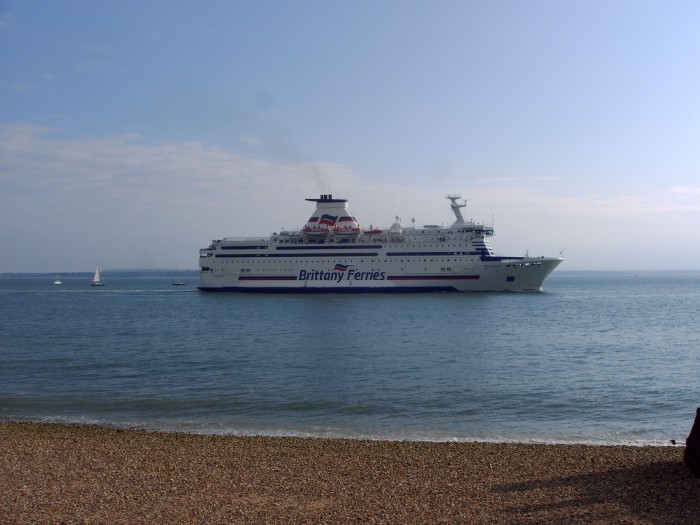
Medicare doesn’t cover health care services you get when the ship is more than 6 hours away from a U.S. port.
Medicare may cover medically necessary health care services you get on a cruise ship if:
• The doctor is allowed under certain laws to provide medical services on the cruise ship.
• The ship is in a U.S. port, or no more than 6 hours away from a U.S. port, when you get the services (regardless of whether it’s an emergency)
Medicare plans can’t cover drugs you buy outside the U.S.
Your Medigap policy may cover services that Original Medicare doesn’t cover, like emergency medical care that you get outside the U.S.
Most Medigap plans (C, D, E, F, G, H, I, J, M, and N) cover emergency health care while traveling abroad with a lifetime limit of $50,000. These Medigap plans:
• Pay 80% of the billed charges for certain medically necessary emergency care outside the U.S. after you meet a $250 deductible for the year.
• Cover foreign travel emergency care if it begins during the first 60 days of your trip, and if Medicare doesn’t otherwise cover the care.
If you have plan E, H, I, or J, which are no longer sold, you may keep it if you bought one of these plans before June 1, 2010. They still cover emergency care for foreign travel.
Medicare Advantage Plans and other Medicare health plans must follow rules set by Medicare, including for coverage outside the U.S. However, your plan may cover additional health care services you get outside the U.S. Check with your plan before traveling to find out what’s covered.
Since Medicare generally will not cover care overseas, many expats find it less cost-effective to maintain Part B unless they plan to return to the U.S. in the near future. If you plan to return to the U.S. and enroll in Medicare, contact Medicare about what proof of overseas residency you should keep.
NOTE: Dropping Part B can lead to late enrollment penalties and gaps in coverage if you re-enroll later.
ADVISOR NOTES:
Proof of overseas residency needed for Medicare enrollment within 30 days of returning to the US:
If you are planning to enroll in Medicare after returning to the U.S., you should hold onto the following items as proof of having lived overseas:
Pay stubs
Tax returns
Medical statements
Insurance benefit statements
Records of doctor’s bills and any payments you made
If you had health insurance in the country where you lived, you can appeal the penalties if your health insurance was at least equal to or better than Medicare. However, you may still be denied and assessed penalties.
This article is intended for information purposes only and does not represent legal or financial guidance. It presents the opinions and interpretations of the AMAC Foundation’s staff, trained and accredited by the National Social Security Association (NSSA). NSSA and the AMAC Foundation and its staff are not affiliated with or endorsed by the Social Security Administration or any other governmental entity. To submit a question, visit our website (amacfoundation.org/programs/social-security-advisory) or email us at ssadvisor@amacfoundation.org. Because we are a non-profit organization, all services are free.