
The Equifax hack, and how it could affect you
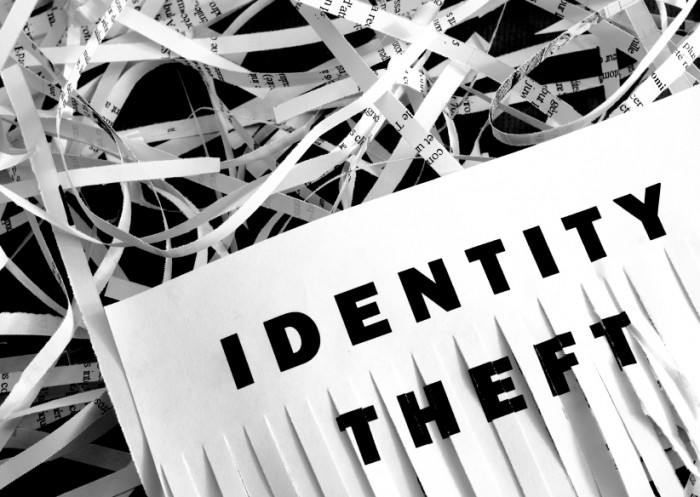
The stealing of personal data of 143 million Americans from credit company Equifax made big news last week, and the fact that Social Security numbers were among the data stolen makes this an especially egregious incident. But what is also egregious is the very clumsy way in which Equifax handled the problem, waiting nearly six weeks before going public with news of the hacking. This was precious time consumers might have used to take steps to protect themselves against any nefarious use of their personal data. Even Equifax’s offer of free credit monitoring for consumers was questionable, requiring consumers to use the very data that was stolen as identification. Several Senators have called for Congressional investigation into this problem, but in the end it’s up to the consumer to take steps to ensure their identity isn’t compromised. This Washington Post article by Craig Timberg explores the Equifax hacking incident and describes how hackers might use the stolen data. Click here to read more.
This posting is presented for informational purposes only and does not represent legal or financial guidance. Any opinions or interpretations presented are either those of the original author or, in the case of articles authored by the AMAC Foundation, are the opinions of AMAC Foundation staff, originally trained and accredited by the National Social Security Association (NSSA) and certified via the AMAC Foundation. Any links included in the article are valid on the posted date; socialsecurityreport.org cannot guarantee the duration of the links’ validity. NSSA and the AMAC Foundation and its staff are not affiliated with or endorsed by the Social Security Administration or any other governmental entity. To submit a question, visit our website (https://amacfoundation.org/services/) or email us at ssadvisor@amacfoundation.org. Because we are a non-profit organization, there is no charge for these services.